Regulatory Differences Across Jurisdictions Govern Dice Game Availability Relative to Lottery Systems
Ben Hartmann · Jul 25, 2026
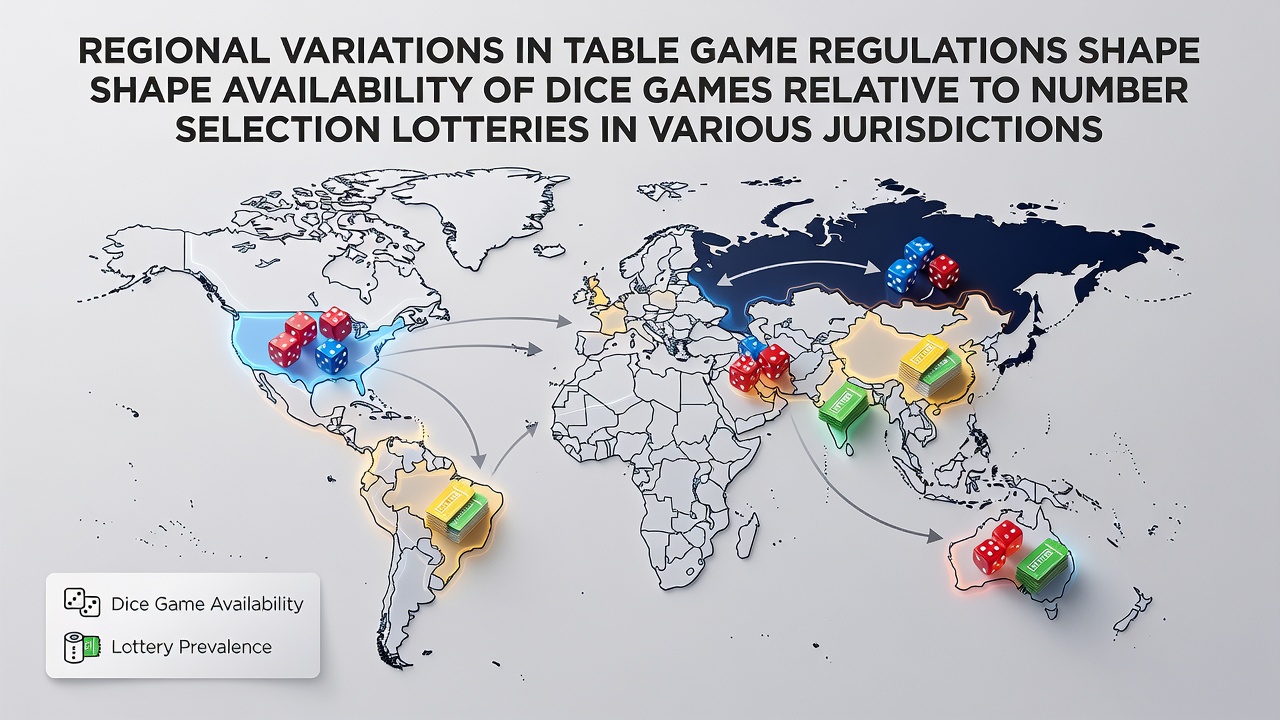
Regulatory Differences Across Jurisdictions Govern Dice Game Availability Relative to Lottery Systems
Regional regulatory frameworks create distinct patterns in how dice games reach the public compared to number selection lotteries, and observers note these patterns shift based on licensing structures, venue restrictions, and historical statutes that remain in force across continents.
United States State-Level Contrasts
Nevada statutes permit dice games such as craps within licensed casino floors while separate statutes authorize number selection lotteries through state-run systems, and data from the Nevada Gaming Control Board shows consistent separation between these categories. In contrast, several northeastern states maintain lottery operations without authorizing dice-based table games in any retail setting, which produces measurable differences in player access recorded in annual compliance reports. Texas statutes allow charitable bingo and lotteries yet exclude dice games from permitted activities, a distinction that holds steady through successive legislative sessions.
European Licensing Models
France maintains strict separation where number selection lotteries operate under national monopoly while casino table games including dice require separate regional approvals that limit locations to designated tourist zones. Germany updated its interstate treaty in recent years to clarify that dice games fall under casino licensing whereas lotteries remain under state monopoly, and compliance figures indicate limited overlap in physical venues. Researchers tracking these rules across EU member states find that countries with centralized lottery authorities often impose additional distance or zoning rules on dice game sites that do not apply to lottery ticket sales.
What's interesting is how these divisions persist even as digital platforms expand; some jurisdictions allow lottery draws online while continuing to require physical presence for dice games, and this split appears in official licensing documents from multiple regulators.
Asia-Pacific Regulatory Patterns
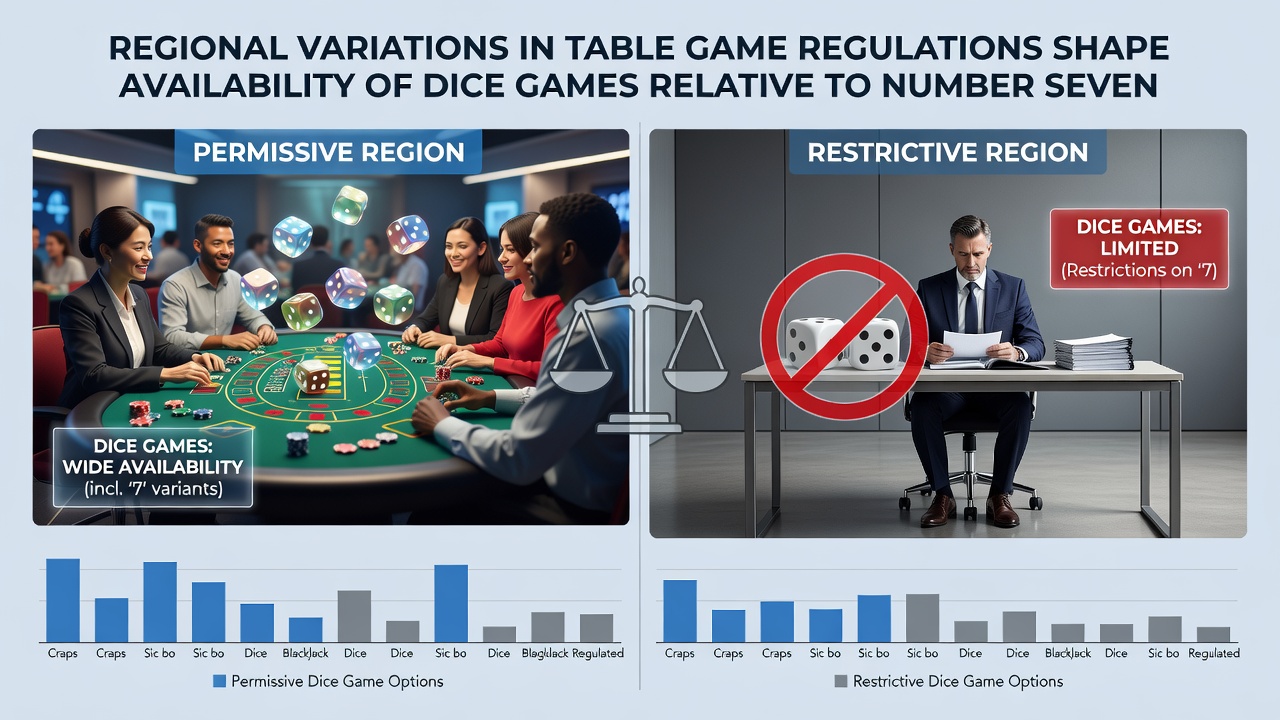
Singapore's Casino Regulatory Authority issues licenses that permit dice games inside integrated resorts while maintaining a separate national lottery operator, and annual reports document clear physical and operational boundaries between the two. Australia applies state-by-state rules where some jurisdictions authorize dice games in casinos and others restrict them, whereas lotteries function through established government operators across all states. Data compiled by the Australian Gambling Research Centre shows that regulatory categories for dice versus lotteries rarely merge even when both activities occur in the same city.
Canada presents another layer where provincial gaming authorities decide on dice game inclusion inside casinos while lotteries operate under dedicated corporations, and interprovincial comparisons reveal consistent separation in product approvals and tax treatment. Observers note that these divisions trace back to distinct legislative histories rather than recent policy experiments.
Comparative Availability Metrics
Statistical releases from gaming control agencies demonstrate that jurisdictions permitting dice games typically locate them inside purpose-built casino properties with age and entry restrictions, whereas number selection lotteries distribute through retail networks with fewer barriers. This structural difference appears in licensing records from North America, Europe, and Asia-Pacific regulators alike. In July 2026 several jurisdictions published updated compliance summaries that continued to list dice games and lotteries under separate regulatory schedules without convergence.
Those who study venue density find that lottery terminals appear in convenience stores and gas stations in most regulated markets, while dice tables remain confined to facilities that meet specific square footage, security, and surveillance standards. These requirements originate from statutes that treat table games as higher-supervision activities than lottery draws.
Conclusion
Across examined regions, regulatory categories maintain separation between dice games and number selection lotteries through distinct licensing paths, venue rules, and oversight mechanisms. Government reports and industry data confirm that these divisions shape where each activity appears and under what conditions, producing consistent geographic patterns that evolve only when statutes themselves change.