Regulatory Changes Shape Electronic Lottery Terminal Locations in Remote Tribal Communities
Ben Hartmann · Aug 1, 2026
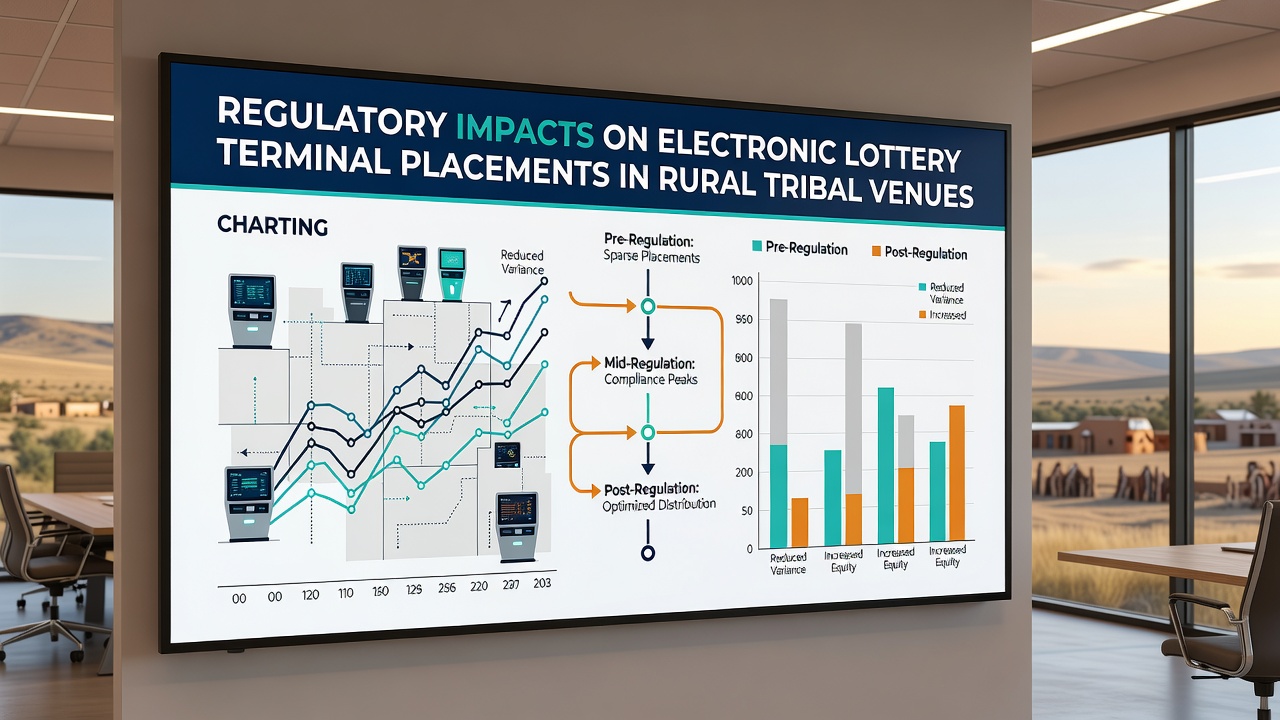
Regulatory Changes Shape Electronic Lottery Terminal Locations in Remote Tribal Communities
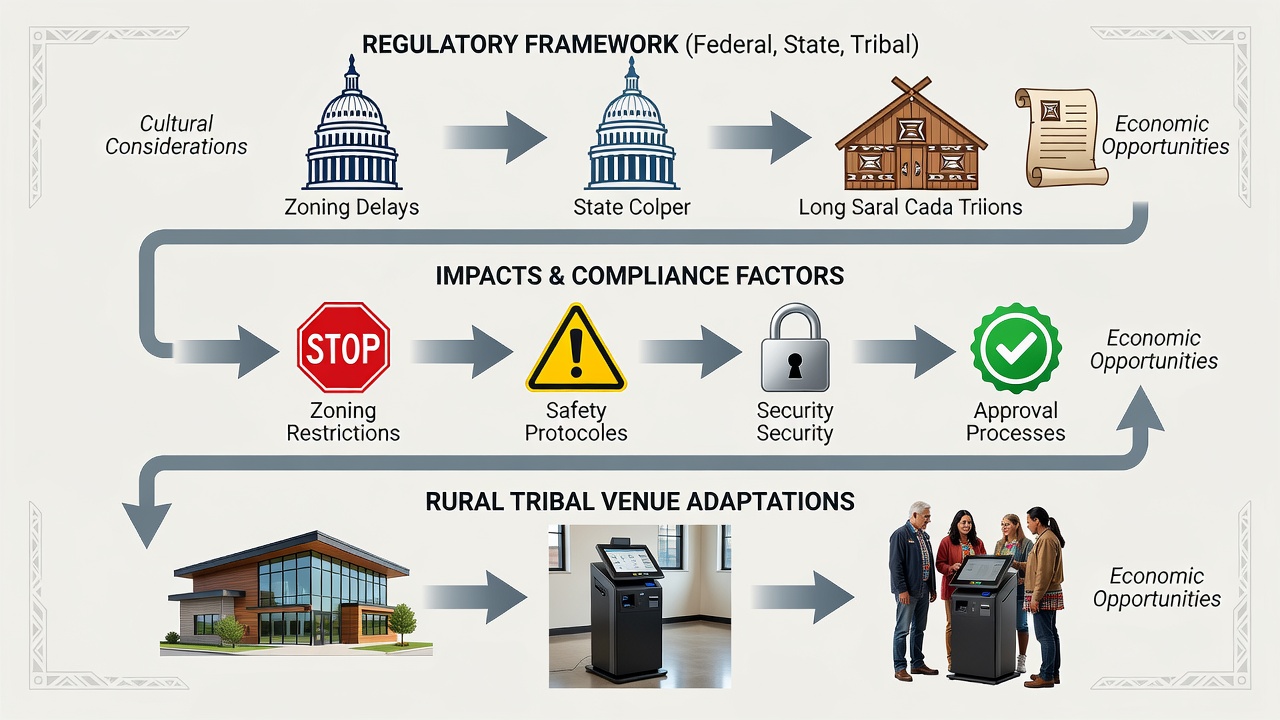
Regulatory frameworks established under the Indian Gaming Regulatory Act continue to dictate how electronic lottery terminals reach rural tribal venues, with placement decisions hinging on compact negotiations between tribes and state governments plus oversight from the National Indian Gaming Commission. These rules determine everything from minimum distances between terminals and residential areas to approval timelines for new installations, creating a structured path that operators must follow before any equipment arrives on site.
Core Regulatory Mechanisms Driving Terminal Siting
Tribal venues in remote regions often face layered approval processes that combine federal standards with state-specific compact terms, and data from the National Indian Gaming Commission shows these layers directly influence where terminals can operate. Compact language frequently specifies maximum numbers of terminals per facility, while also requiring environmental reviews and traffic studies that add months to project schedules in rural locations with limited infrastructure. Observers note that tribes in states with stricter revenue-sharing formulas tend to cluster terminals in fewer, larger facilities rather than spreading them across multiple small venues, because the economics shift when per-terminal fees rise.
Placement Criteria and Compliance Burdens
Distance requirements from schools and churches appear in many tribal-state compacts, forcing planners to map potential sites carefully before submitting applications. In August 2026 several tribal gaming commissions updated their internal checklists to include new cybersecurity audits for terminal networks, reflecting broader federal guidance on data protection. These added steps slow rollouts in areas where broadband access remains spotty, yet they also create opportunities for tribes that invest early in compliant infrastructure. Research indicates facilities that complete pre-application consultations with state regulators experience faster final approvals, because early dialogue surfaces concerns about responsible gaming measures and player age verification systems before formal filings begin.
Electronic lottery terminals differ from slot machines under federal classification, which means tribes must demonstrate that each device meets lottery-style draw mechanics rather than casino-style random number generation. This distinction matters in rural settings where local zoning ordinances sometimes treat the two categories differently, and misclassification can trigger lengthy appeals. Operators who document the technical specifications thoroughly from the outset avoid delays that otherwise push installation dates back by quarters.
Regional Variations Across Tribal Lands
Patterns emerge when comparing placement data across different regions. Tribes in the Great Plains often negotiate compacts that tie terminal counts to population density within a fifty-mile radius, resulting in lower densities than seen in more urban-adjacent tribal areas. Meanwhile, Pacific Northwest tribes have secured compact provisions allowing seasonal pop-up locations during cultural events, provided advance notice and security plans reach regulators thirty days prior. These variations show how local geography and state political climates shape outcomes more than any single national rule.
Figures released by the Indian Gaming Association reveal that rural facilities averaged 18 months from compact amendment to first terminal activation in 2025, compared with 11 months for suburban tribal properties. The gap narrows when tribes leverage technical assistance programs offered through the Bureau of Indian Affairs, which supply templates for required traffic impact studies and responsible gaming signage plans. States that maintain dedicated tribal liaison offices within their gaming control boards tend to process applications more efficiently, because dedicated staff understand the unique land-status issues that arise on trust lands.
Recent Developments and Data Trends
During August 2026 multiple tribes submitted compact amendments seeking to add terminals to existing convenience stores on reservation land, citing revenue needs for community services. Early indications suggest regulators are scrutinizing these applications more closely for responsible gaming safeguards, including mandatory session timers and self-exclusion database integration. Data shows that venues incorporating these features upfront receive fewer follow-up information requests, which shortens the overall timeline.
Academic researchers at the University of Arizona have tracked placement density changes since 2022, finding that regulatory emphasis on player protection correlates with slower but steadier growth in terminal numbers per square mile. Their ongoing reports highlight how tribes adapt by prioritizing high-traffic locations such as gas stations and community centers rather than standalone gaming halls in the most isolated areas.
Conclusion
Regulatory impacts on electronic lottery terminal placements continue to evolve through compact negotiations, federal oversight, and state-level policy adjustments that together determine which rural tribal venues gain access to these devices. Tribes that align early with both technical standards and community protection requirements position themselves for smoother approvals, while those navigating stricter revenue-sharing or distance rules adapt by concentrating resources in fewer sites. The interplay between these factors produces the current landscape of terminal distribution across remote tribal lands, with ongoing updates expected as new compact cycles begin in late 2026.