Mobile Wagering Expansion and Its Influence on Community Lottery Funding Streams
Ben Hartmann · Jul 8, 2026
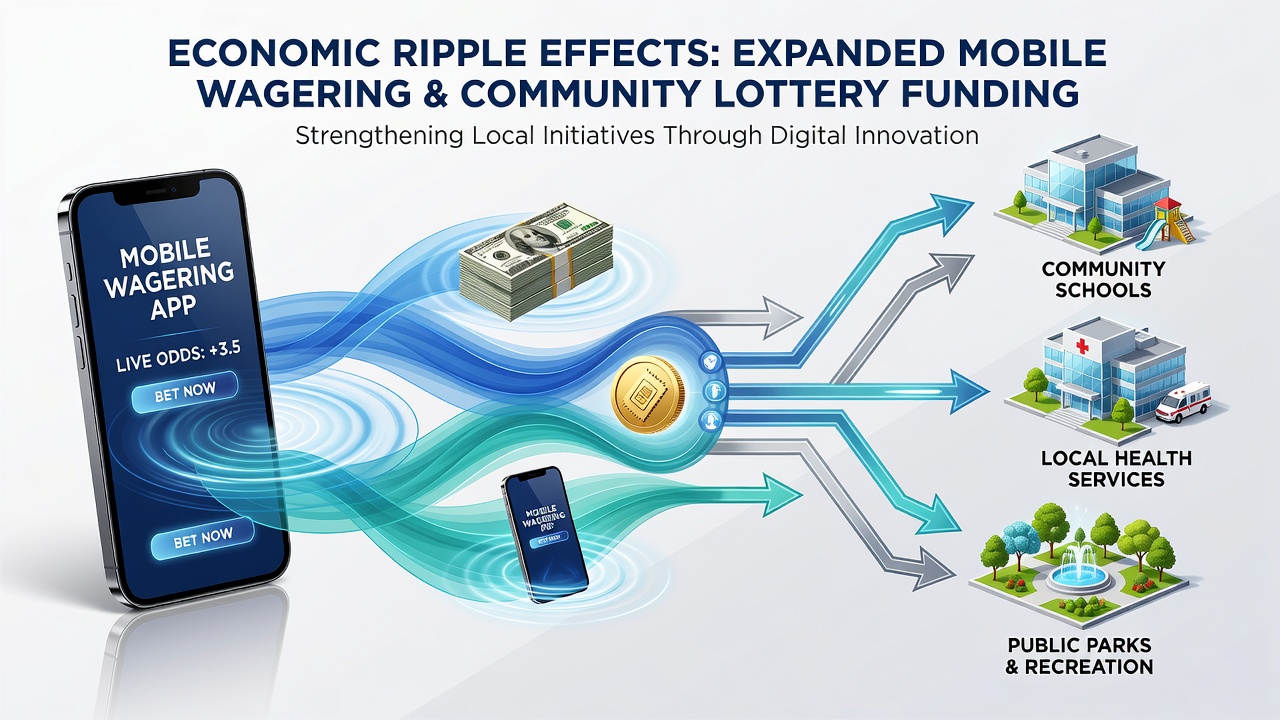
Mobile Wagering Expansion and Its Influence on Community Lottery Funding Streams
Expanded mobile wagering has introduced new dynamics into the funding mechanisms that support community initiatives through state and provincial lotteries, with data from mid-2026 showing measurable shifts in consumer spending patterns. States that launched or broadened mobile sports betting platforms between 2023 and 2025 have reported changes in lottery ticket sales, particularly in categories that traditionally direct proceeds toward education, parks, and local infrastructure projects. Researchers tracking these trends note that discretionary entertainment dollars now flow across a wider array of regulated options, creating ripple effects that reach public budgets at the municipal level.
Understanding Lottery Revenue Allocation Models
Lotteries in many jurisdictions operate under statutes that earmark a fixed percentage of sales for specific public programs, and those allocations have remained stable even as overall handle fluctuates. In July 2026, several state lottery commissions released quarterly reports indicating that total lottery revenue continued to grow year-over-year, yet the rate of growth slowed in markets where mobile wagering options multiplied. Observers point to overlapping consumer bases where individuals allocate smaller portions of their entertainment budgets to lottery draws after mobile betting apps became available on smartphones. This pattern appears most pronounced among younger demographics who show higher adoption rates for app-based wagering compared with traditional lottery outlets.
Consumer Spending Displacement Patterns
Data compiled by regional gaming authorities reveals that mobile wagering platforms captured incremental spending that might otherwise have gone toward lottery products in some instances, while in other cases the two categories coexist without direct substitution. A study covering five U.S. states that legalized mobile sports betting found lottery sales in convenience store channels declined by an average of 4.2 percent during the first 18 months after mobile apps launched, yet online lottery subscriptions in those same states rose by 11 percent. The net effect on total lottery proceeds therefore varies by distribution channel and product type, with scratch-off games showing more resilience than draw-based offerings.
Canadian provincial lotteries have experienced similar divergences. Figures released by the Canadian Lottery Coalition indicate that provinces with integrated mobile betting and lottery apps maintained steadier revenue streams than those where the products remained separate. Those who've examined cross-border data note that integrated platforms allow consumers to move between product categories within a single session, which appears to limit displacement while increasing overall session length and total spend per user.
Regional Variations in Funding Outcomes
States such as New Jersey and Pennsylvania, early adopters of comprehensive mobile wagering frameworks, reported that education trust funds supported by lottery proceeds posted modest gains through 2025 and into the first half of 2026 despite the presence of dozens of licensed sportsbooks. In contrast, certain Midwest states that introduced mobile options more recently recorded flat or slightly lower contributions to community grant programs during the same period. These differences trace partly to the maturity of each market and the marketing strategies employed by both lottery operators and sportsbook providers.

What's interesting is how rural versus urban divides influence outcomes. Lottery retailers in smaller communities often serve as primary access points for both lottery tickets and convenience items, and those locations have seen foot traffic patterns adjust when mobile options become dominant. Yet rural lottery sales have not uniformly declined, because many residents continue to purchase tickets during routine shopping trips rather than shifting entirely to digital platforms.
Policy Adjustments and Revenue Stabilization Efforts
Legislatures in multiple jurisdictions have responded to these shifting flows by adjusting tax structures or introducing new lottery product features designed to compete directly with mobile wagering experiences. Some states now offer lottery games with sports-themed mechanics that mirror elements found in mobile betting apps, while others have increased prize pools or introduced subscription models that deliver recurring revenue. These adaptations aim to maintain the flow of funds to community initiatives without restricting consumer access to either form of regulated entertainment.
According to reports from the North American Association of State and Provincial Lotteries, jurisdictions that paired mobile wagering legalization with simultaneous lottery modernization efforts experienced smaller disruptions to dedicated funding streams than those that sequenced the changes separately. The timing of regulatory rollouts therefore emerges as a significant variable in determining the magnitude of economic ripple effects on public programs.
Conclusion
The relationship between expanded mobile wagering and community lottery funding continues to evolve as markets mature and operators refine their offerings. Data through July 2026 shows that total public contributions from lottery activities have not collapsed in any major jurisdiction, yet the composition of those contributions and the channels through which they arrive have changed in measurable ways. Policymakers and lottery administrators monitor these trends closely, adjusting product portfolios and distribution strategies to sustain support for the education, infrastructure, and social service programs that depend on consistent revenue streams. Continued observation of spending patterns across both mobile and traditional platforms will clarify the long-term balance between these competing yet regulated entertainment options.