Licensing Deals Shape Game Lineups at Tribal and Commercial Casinos Nationwide
Uma Hartmann · Jul 15, 2026
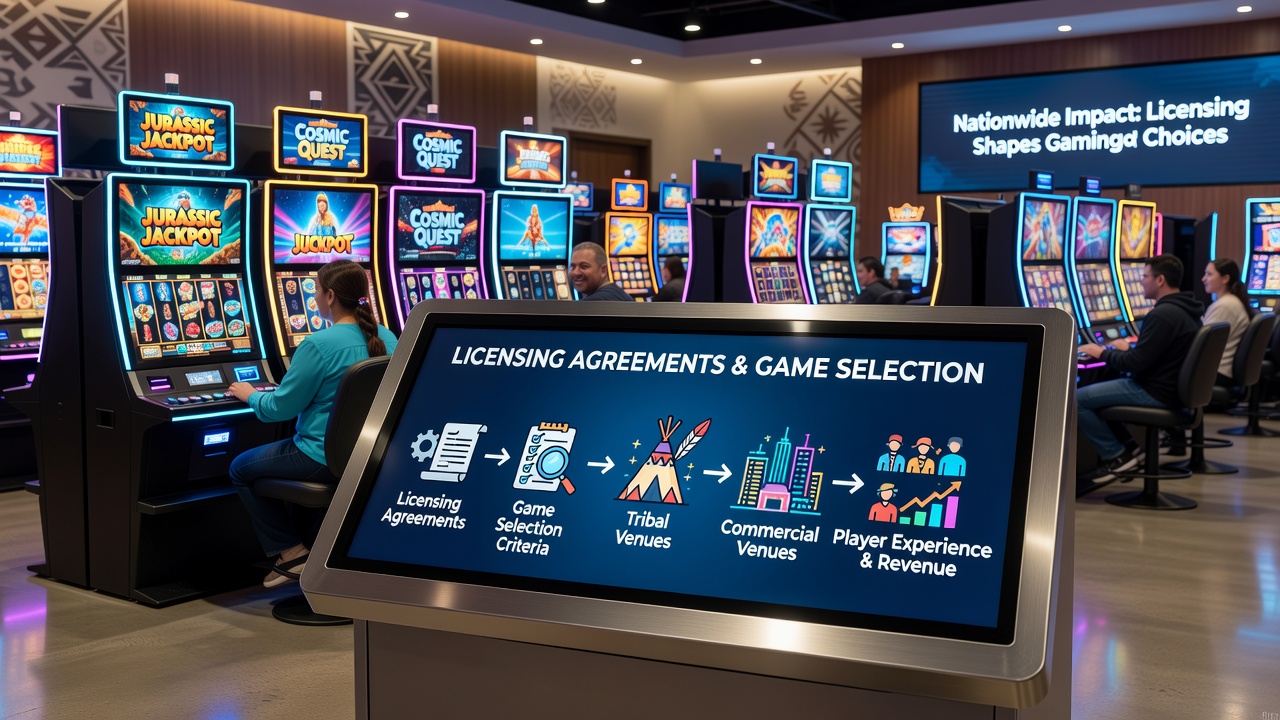
Licensing Deals Shape Game Lineups at Tribal and Commercial Casinos Nationwide
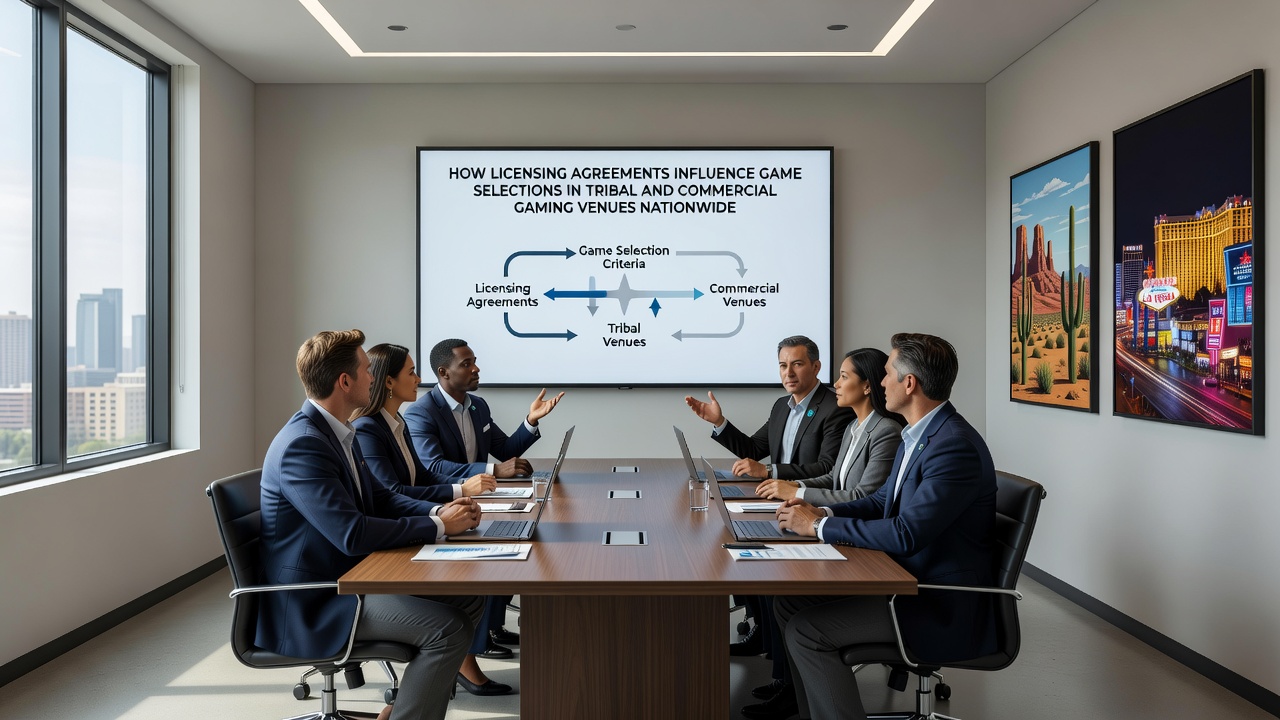
Licensing agreements form the backbone of game selections at both tribal and commercial gaming venues across the United States, dictating everything from slot machine varieties to table game availability through detailed compacts and regulatory contracts that states negotiate with operators, and these pacts often include revenue-sharing formulas along with exclusivity clauses that limit certain offerings to specific locations while researchers at institutions like the University of Nevada have tracked how such terms evolve over time.
Core Differences Between Tribal and Commercial Licensing Structures
Tribal gaming operates under the Indian Gaming Regulatory Act of 1988 which requires tribes to secure compacts with state governments before launching Class III games such as blackjack and roulette, whereas commercial casinos receive direct licenses from state gaming boards that outline permitted machines and wagering limits without the same sovereignty considerations, and this distinction leads to varied game mixes because tribal agreements frequently tie new game approvals to employment targets or community investments while commercial licenses focus more on tax contributions and compliance audits.
Observers note that in states like California and Oklahoma tribal compacts emphasize slot machine caps and revenue splits that reach up to 25 percent of net wins directed to state funds, and these terms directly influence whether venues prioritize high-volume electronic games over slower table offerings since operators must balance player demand against contractual obligations that can shift with renegotiations every five to ten years.
How Revenue Sharing and Exclusivity Clauses Steer Selections
Revenue-sharing provisions embedded in many licensing pacts encourage venues to favor games that generate steady income streams because operators pay percentages on gross gaming revenue rather than flat fees in most tribal deals, and this setup pushes selections toward electronic gaming devices that deliver consistent play volumes compared with table games that require more staff and space, while data from the National Indian Gaming Commission shows tribal facilities nationwide reported over 500,000 gaming machines in operation by mid-2026 with licensing terms often capping or incentivizing specific device counts.
Exclusivity clauses in commercial licenses meanwhile restrict certain sports wagering or lottery-linked games to particular operators in exchange for higher state taxes, and one example involves New York commercial venues that secured rights to mobile betting terminals under agreements signed in 2022 yet face renewal hurdles that could expand or contract available game types based on performance metrics tracked through July 2026.
State-by-State Variations and Recent Regulatory Shifts
States such as Michigan and Pennsylvania impose different licensing conditions on commercial properties that allow wider table game variety when operators meet investment thresholds in new facilities, and these incentives have led to increased craps and baccarat offerings in recent years while tribal compacts in neighboring regions maintain stricter limits tied to historical agreements, and figures from the American Gaming Association reveal commercial venues added thousands of new positions in 2025 partly because updated licenses rewarded diversification.
Canadian provincial models offer useful comparisons since Ontario's Alcohol and Gaming Commission structures licenses around responsible gaming targets that affect game density and payout structures in ways that parallel some U.S. tribal compacts, and researchers have examined how such frameworks influence player retention across borders without duplicating the sovereignty elements unique to American tribal law.
Impact on Player Experience and Venue Strategy
Venues respond to licensing language by adjusting floor layouts seasonally, and facilities in compact states often rotate electronic table games that blend slots with video poker elements because agreements permit these hybrids under certain definitions yet restrict live dealer expansions until amendments pass, and this flexibility allows operators to test new formats while staying within contractual bounds that regulators review during annual audits.
Those who study these patterns find that licensing often prioritizes games with lower dispute rates since agreements include detailed dispute resolution procedures that tie back to game approvals, and this encourages standardized equipment from approved manufacturers which in turn narrows selections to proven models rather than experimental ones unless specific pilot clauses exist in the license.
Conclusion
Licensing agreements continue to determine game selections at tribal and commercial venues by balancing state revenue goals with operator flexibility and tribal sovereignty requirements, and ongoing compact renewals through 2026 will likely introduce further adjustments as markets mature and technology advances, and stakeholders monitor these developments closely because the resulting game lineups reflect negotiated priorities rather than pure market forces alone.