Licensing Boundaries Shape Craps Distribution Across Global Jurisdictions
David Frank · Aug 22, 2026
Licensing Boundaries Shape Craps Distribution Across Global Jurisdictions
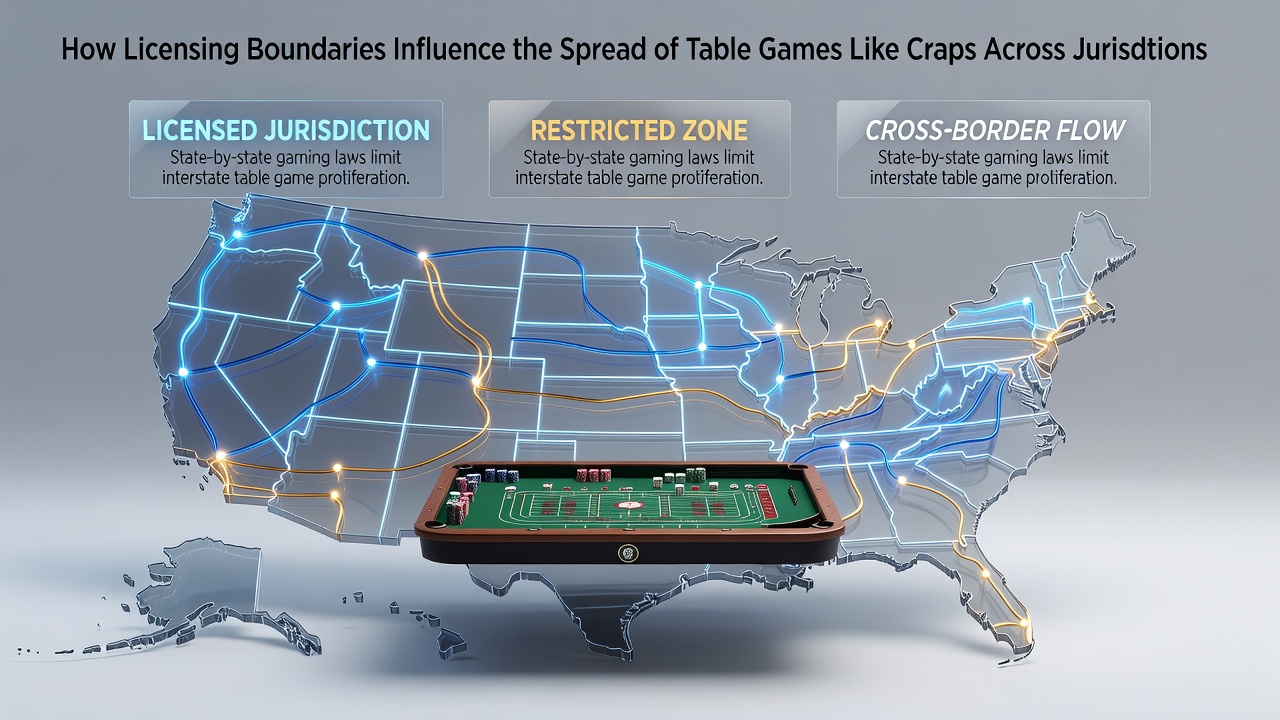
Regulatory frameworks establish clear lines that determine where table games such as craps appear in licensed venues, and those lines shift based on state, provincial, or national rules that separate commercial casinos from tribal operations. Data from industry reports indicate that craps requires specific approvals tied to physical table counts, dealer training standards, and house edge disclosures, which creates uneven availability even when operators seek expansion.
Core Mechanisms Behind Licensing Limits
Jurisdictions define table game menus through statutes that list permitted activities, and craps often falls under broader casino gaming categories that demand separate licensing tiers compared to slots or video poker. Observers note that some regions cap the number of table games per facility while others tie approvals to revenue sharing agreements, which slows rollout in newer markets. Research from gaming commissions shows these caps directly affect how quickly craps spreads, since operators must renegotiate licenses when adding tables or relocating games.
Yet licensing boundaries also intersect with land status issues, especially when tribal compacts govern offerings inside sovereign territories versus surrounding commercial zones. Those who've studied this pattern find that compact renewals scheduled for 2026 frequently include renegotiations over table game variety, and craps appears more readily in states where compacts already list it explicitly.
Regional Variations in August 2026
By August 2026 several North American markets had updated their licensing criteria to address online-to-land integration, yet table game approvals remained tethered to in-person oversight requirements. In states with mature commercial sectors, craps tables increased modestly after regulators streamlined dealer certification processes, whereas jurisdictions still finalizing tribal agreements saw slower adoption. Figures reveal that European markets outside the United Kingdom maintained stricter separation between sports betting licenses and casino table approvals, limiting craps to a handful of long-established properties.
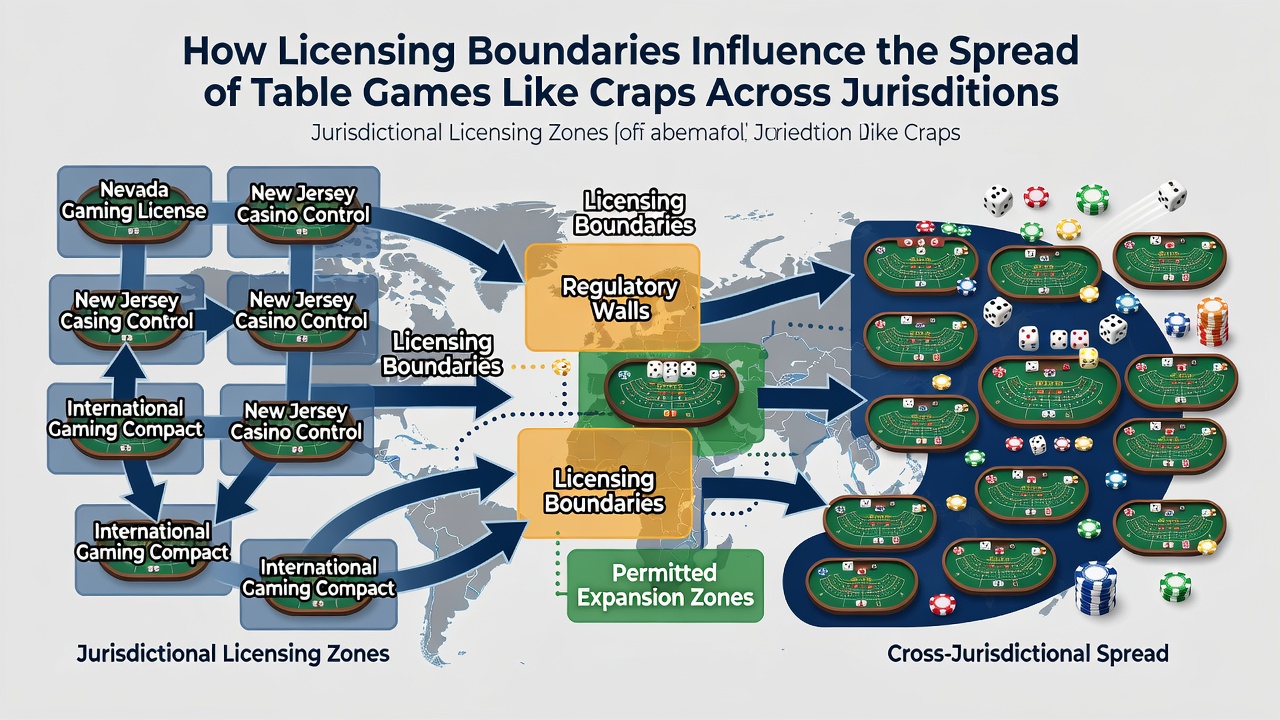
Canadian provinces present another contrast, where lottery corporations often control table game expansion and require public consultation periods before adding craps. Those consultations have produced documented delays of twelve to eighteen months in certain provinces, according to provincial gaming authority summaries. Meanwhile Australian states vary widely, with some allowing rapid addition of tables once basic venue licensing clears, and others demanding independent audits of game integrity before craps receives final sign-off.
Impact on Operator Strategies and Player Access
Operators respond to these boundaries by prioritizing jurisdictions with predictable approval timelines, which concentrates craps in a smaller number of high-volume markets. Studies compiled by industry groups show that facilities in permissive licensing environments report higher table game utilization rates, while border regions experience leakage when nearby states or provinces maintain tighter controls. The result is a patchwork where players travel across jurisdictional lines to access craps, and operators adjust marketing accordingly.
What's interesting is how licensing language around "skill versus chance" sometimes influences whether craps receives approval at all, even though the game mechanics remain identical. In places where regulators classify table games strictly, operators must demonstrate compliance with payout verification systems that add cost and time to rollout plans. Data indicates these verification steps correlate with fewer new craps tables opening each year compared to regions that accept standardized manufacturer certifications.
Looking Ahead at Cross-Border Effects
Future compact negotiations and statute revisions will continue to dictate where craps expands, since each jurisdiction retains authority over its own licensing criteria. Industry associations track these changes through annual reports that highlight how small wording differences in regulations can block or enable table game introductions for years. Those patterns suggest that markets updating rules in 2026 and beyond will determine the next wave of craps availability rather than any single technological shift.
Conclusion
Licensing boundaries function as gatekeepers that slow or accelerate craps spread depending on approval processes, compact language, and oversight requirements unique to each jurisdiction. Observers tracking these developments see continued variation across North America, Europe, and Australia, with operator decisions guided by the predictability and cost of securing necessary permissions. The outcome remains a fragmented map where craps appears readily in some areas and stays absent in others, shaped entirely by the regulatory lines drawn around table game licensing.