Demographic Trends Shaping Game Preferences Across Licensed Casinos and Gaming Venues
Uma Hartmann · Jun 3, 2026
Demographic Trends Shaping Game Preferences Across Licensed Casinos and Gaming Venues
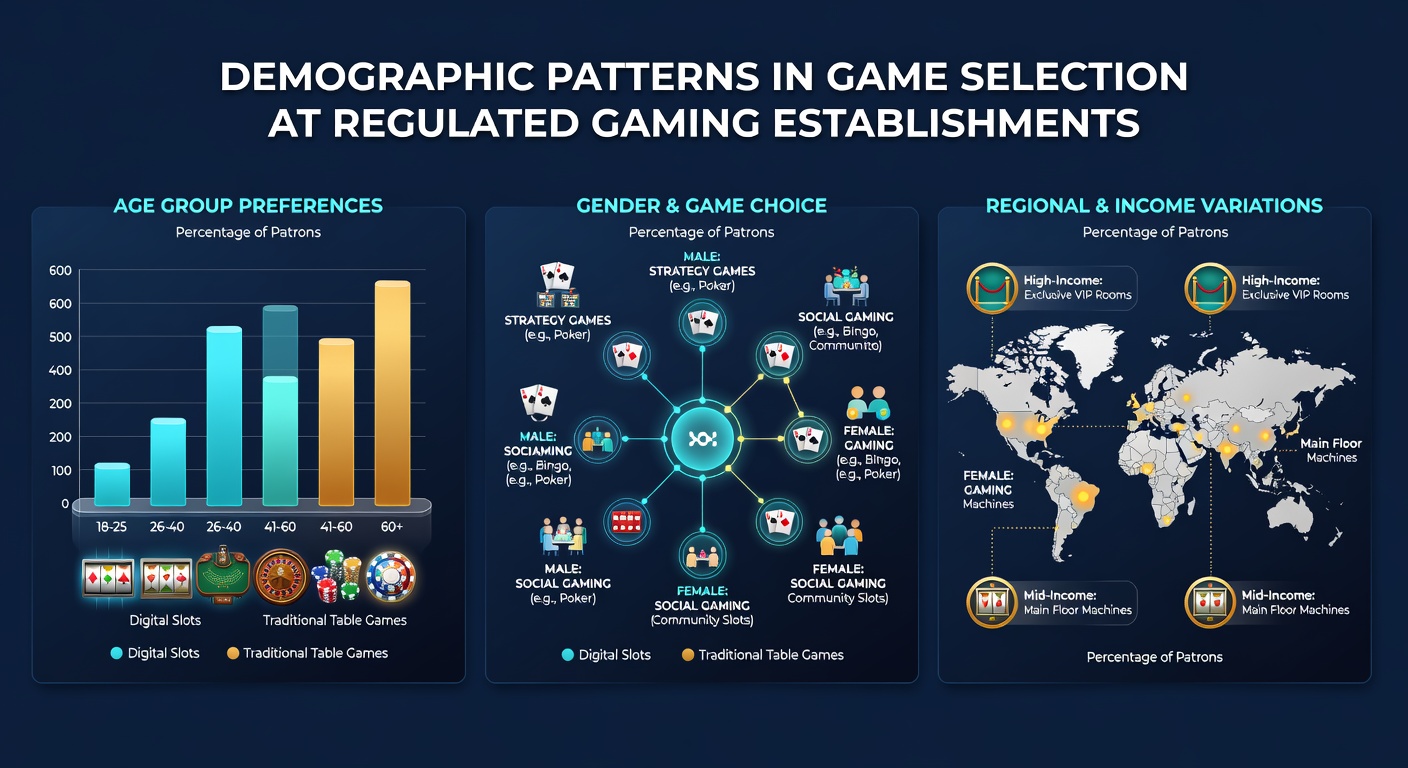
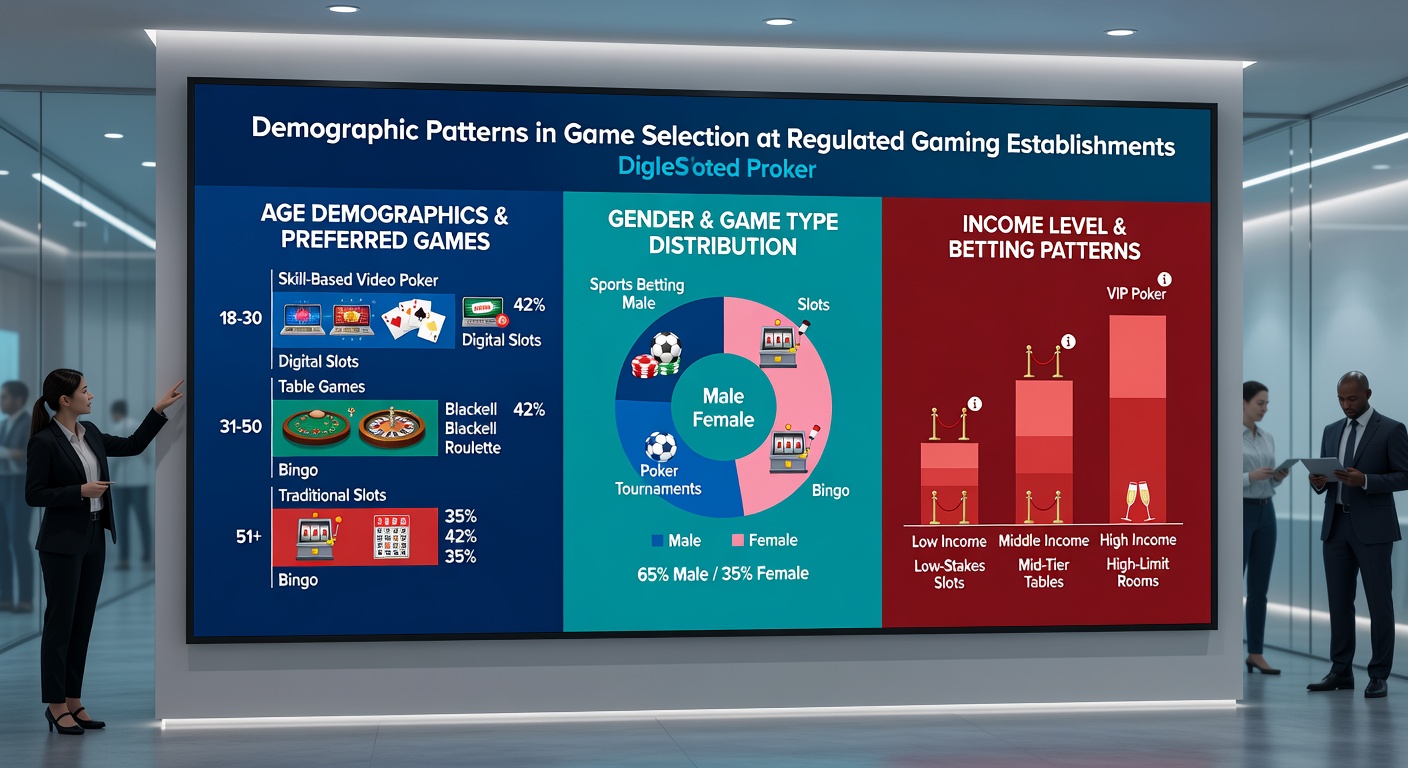
Regulated gaming establishments track player data through loyalty programs and entry systems, and these records reveal clear patterns in how different demographic groups select games, with age standing out as one of the strongest predictors of choice. Younger adults between 21 and 35 gravitate toward electronic slots and digital sports betting terminals, while those over 55 show higher participation rates at traditional table games such as blackjack and roulette, according to aggregated figures released by state regulators in early 2026. Observers note that these preferences hold steady across multiple jurisdictions, even as new game formats enter the market.
Age-Based Patterns in Game Selection
Research from university-led studies indicates that players under 30 spend the majority of their time on video poker and rapid-play machines because these options deliver quick outcomes and integrate easily with mobile apps used for tracking play, whereas middle-aged groups split their activity between slots and sports wagering. Data collected through June 2026 from several U.S. states shows that individuals aged 45 to 64 account for over half of table game revenue at many properties, a trend researchers link to longer average session lengths and familiarity with classic rulesets. Those patterns emerge consistently when operators compare loyalty card swipes across time periods, providing regulators with reliable benchmarks for understanding floor layout decisions.
Gender Differences and Regional Variations
Gender also correlates with distinct selections, as records from licensed venues demonstrate that female players represent a larger share of slot and keno participation while male players dominate sports book activity and craps tables. Canadian provincial reports compiled by the Alcohol and Gaming Commission of Ontario highlight similar divides, noting that women in the 30-to-50 range often choose progressive jackpot machines over table games when visiting integrated resorts. Location adds another layer, with urban properties near major airports drawing more diverse crowds who favor quick-hit electronic options, whereas rural or destination casinos see steadier table game traffic from older, repeat visitors.
Income Levels and Cultural Influences
Income brackets influence access and preference as well, since higher-earning demographics allocate more time to high-limit rooms and poker tournaments while lower-to-middle income groups concentrate on penny slots and daily promotions. Figures from the Nevada Gaming Control Board illustrate that high-denomination table play rises sharply among visitors reporting household incomes above $150,000, a pattern that persists across seasonal data sets. Cultural background further refines these choices, with certain ethnic communities showing elevated interest in baccarat or specific lottery-style games, though operators maintain that all selections remain subject to the same regulatory oversight and responsible gaming protocols.
Seasonal data released in June 2026 confirmed that these demographic patterns stayed stable even as overall handle fluctuated, suggesting that game selection depends more on who visits than on short-term economic shifts. Operators use this information to adjust staffing, machine mix, and marketing campaigns without altering core offerings that appeal across groups.
Conclusion
Comprehensive tracking by regulators and academic researchers continues to map how age, gender, income, and location steer game choices at regulated establishments, supplying the industry with objective metrics for planning and compliance. These patterns help venues maintain balanced floors that accommodate varied preferences while adhering to licensing requirements across different regions.